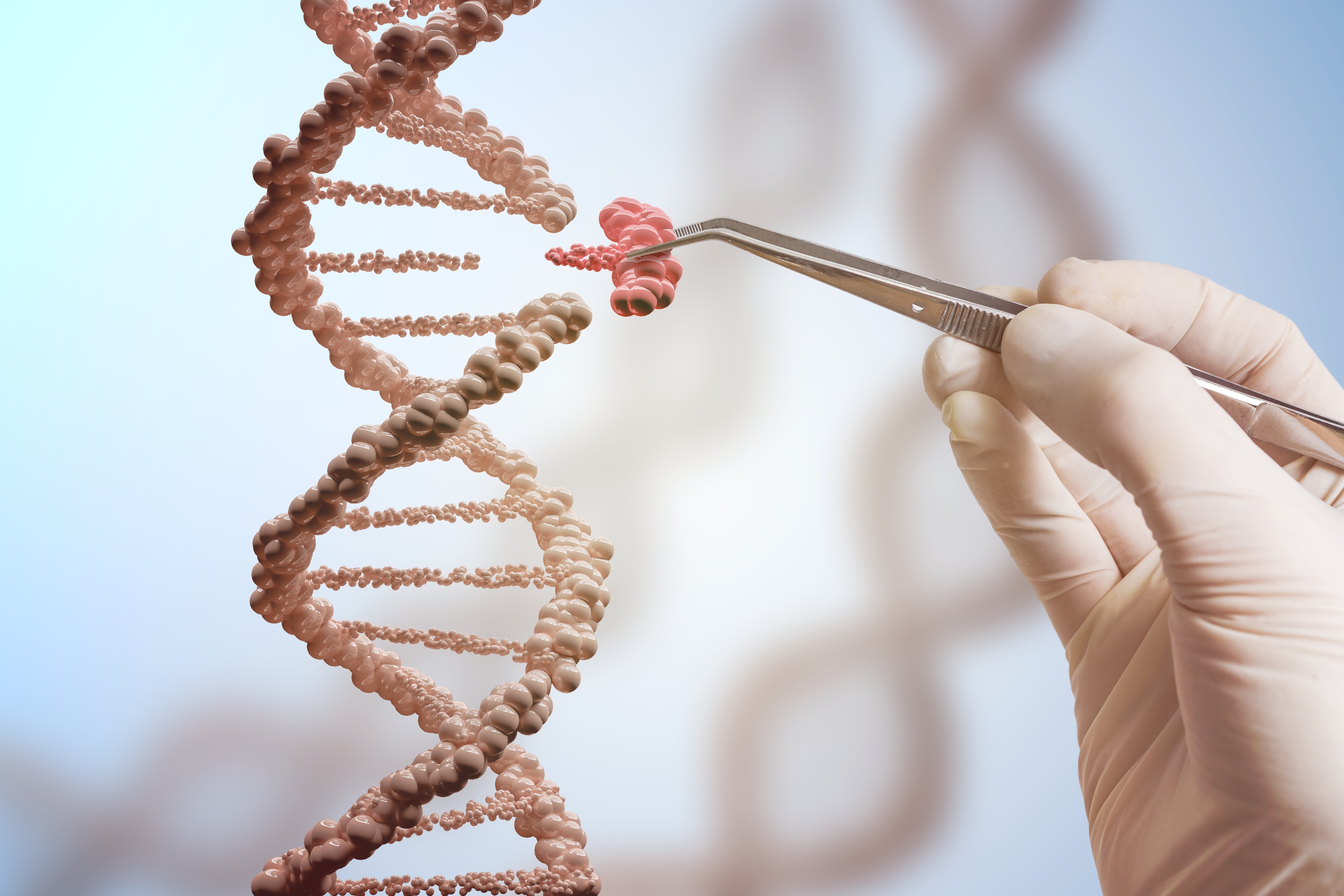
Many drug candidates that look safe in preclinical testing still run into toxicity problems later, often because the models used don't reflect how human cells respond. pixlbio, based in Cambridge, UK and Uppsala, Sweden, is tackling this by combining human cell models, large-scale phenotypic imaging and AI. We look at how the company came together, how its technology works, and what its growth means for senior hiring.
Why predicting drug safety is hard
Drug discovery doesn't only need more data. It needs data that helps teams decide which compounds to take forward. Common gaps include:
Animal and simplified cell models don't always reflect human biology
Screens that measure one predefined biomarker capture only part of a compound's effect
Differences between cell models and disconnected workflows make results hard to compare
Safety issues such as drug-induced liver injury often surface late, when they are most expensive
For drug developers, this means less confidence when choosing which compounds to progress. For safety teams, it means more reliance on models that may miss how human cells actually respond.
Two companies, one platform
pixlbio was formed in 2025 by combining two specialist companies.
DefiniGEN was founded in 2012 as a spin-out from the University of Cambridge. It brought more than a decade of experience in human iPSC-derived cell models, particularly liver models for drug discovery and toxicology.
Phenaros Pharmaceuticals came out of Uppsala University. It specialised in large-scale phenotypic profiling, using automated Cell Painting, computational biology and AI to study how cells respond to compounds.
Together, they cover both sides of the problem: human-relevant biology and the data and analysis needed to turn it into predictions. That combination supports the development of New Approach Methodologies (NAMs), the human-based alternatives to traditional preclinical testing.
What sets pixlbio apart?
Human cells, at scale. Its cell models come from renewable iPSC sources, so large screening programmes can run on consistent human biology across batches and projects. The portfolio is already used by 11 of the world's top 20 pharmaceutical companies.
A full picture of the cell, not a single marker. Cell Painting looks at many cellular structures at once and extracts thousands of features from each cell. This can reveal off-target effects and unexpected changes that a single-biomarker assay would miss.
Cells, imaging and AI in one workflow. Each capability can be used on its own, but pixlbio's strength is running them together, from experimental design through to analysis. As CSO and Co-Founder Jordi Carreras-Puigvert puts it, what makes pixlbio unique is "the integration".
The platform: cells, phenomics and AI
pixlbio's work is built on three connected capabilities. Key features include:
pixCells™: human iPSC-derived hepatocytes, hepatic stellate cells, macrophages and intestinal organoids, plus disease models for MASLD, fibrosis and inherited liver disorders
pixCRISPR™: genetically engineered cell models with matched isogenic controls, for studying disease-associated mutations against a consistent genetic background
pixCellPaint™: automated high-content imaging that profiles changes in mitochondria, nuclei and the cytoskeleton after compound treatment, on pixlbio's own cells or customer-supplied ones
Mechanism-of-action comparison: cellular responses matched against a reference set of around 6,000 annotated drugs and tool compounds
ToxOracle™: predicts clinical drug-induced liver injury (DILI) risk from chemical structure, helping teams decide which compounds need further cell-based testing
pixCellServices™: integrated studies covering experimental design, automated 384-well screening, functional and orthogonal assays, and data analysis
The phenotypic profiles help researchers investigate how compounds work, spot off-target effects, assess toxicity risks such as genotoxicity and phospholipidosis, and test whether compounds can reverse disease-related changes.
Why it matters for drug development
Late-stage safety failures are among the most expensive setbacks in drug development. Earlier, human-relevant evidence on toxicity and mechanism of action helps teams drop weak compounds sooner and put resources behind the strongest.
Regulators and the industry are also paying more attention to NAMs as alternatives to animal testing. Platforms that produce consistent, comparable human data, and can turn it into predictions, are well placed as that shift continues.
What it means for hiring
Companies like pixlbio sit between cell biology, data science and commercial services. After a merger, they also need to bring two teams, two sites and two product lines together. Senior roles that often become critical at this stage include:
Head of Predictive Toxicology or Safety Sciences: links platform data to safety decisions and builds the evidence that pharma customers rely on
Head of Data Science or AI: develops the models that turn imaging and cell data into predictions, and brings in new data types such as transcriptomics
VP Business Development: grows pharma and biotech partnerships and expands integrated-services revenue
Head of Product or Software: takes data tools like the Lens™ interface from pilot to a product customers use day to day
What's next for pixlbio?
The Lens™ interface is being piloted with selected partners. It gives researchers one place to follow their projects and explore data as it is generated.
On the science side, the team is already combining functional measurements with Cell Painting and is exploring how to add transcriptomics to its phenotypic data. The aim is a fuller view of how compounds affect human cells, with a continued focus on safety and toxicology. To learn more or discuss a collaboration, visit pixlbio's website.
—